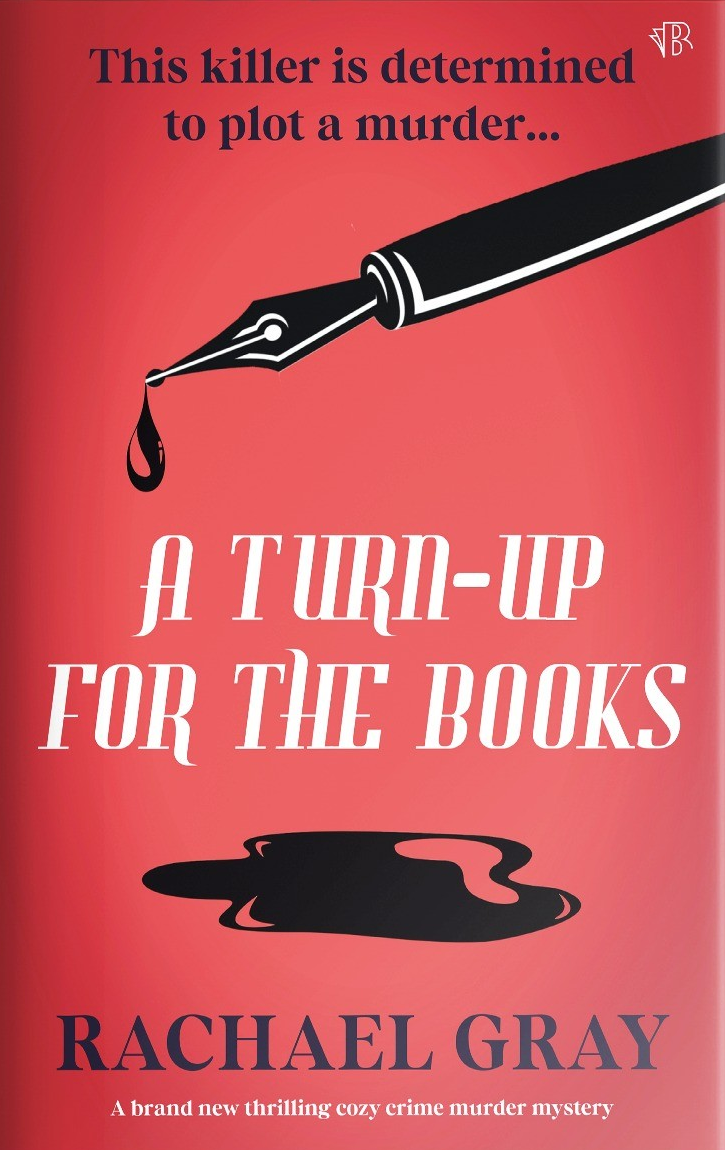
A locked room and an unresponsive guest in Dorothy Little’s, Tulip Cottage prompts Dorothy to ask her neighbours, Dr. Laurel Nightingale and Albert for help. Later the same day a famous crime author Hugh Quintrell, consults Laurel to help cure his writer’s block. However, the professional relationship he wants with Laurel is not as client and therapist but a collaborative one to solve the crime discovered at Tulip Cottage.
Elderwick, Laurel’s new home has seen a number of murders since her arrival from Somerset a few months earlier, prompting her thoughts that she may be the catalyst. Reluctantly at first together with her friends Albert and Maggie, she sets out to unravel this new mystery.
Elderwick is an ideal village with the Plump Tart Village Bakery, The Snooty Fox Pub and of course the centre of much of the cognitive action, The Pleasant Pheasant tea room. The pictures formed in the mind’s eye are something I particularly enjoyed.
With numerous twists and turns to keep me on my toes, I raced through the book very quickly. I found it an enjoyable read, more please Ms Gray.
The Master’s lodge of Downing College Cambridge, was the impressive venue for the launch of Alison Bruce’s latest book, Because She Looked Away. The launch was organised by Richard and Jon of Bodies in The Bookshop, Cambridge’s specialist crime bookshop. I was fortunate to be invited. There was a long queue of those attending to buy their signed copy.
The Master’s Lodge Downing College from the garden.
This book introduces us to a new hero, Detective Sergeant Veronica (Ronnie) Blake. Ronnie’s childhood was traumatic and so are the events that prompt her move to Cambridge. She moves in to live with her half brother, Alex and their orphaned nephew, Noah.
Ronnie joins a small team of detectives, known as the DEAD Team, at Cambridge’s Parkside police station. The unit which is under threat of disbandment, is unable to solve an outstanding unsolved case, Operation Byron. Then a list of three names is passed to the group anonymously, one of the names is that of Ronnie’s sister Jodie. With a fresh pair of eyes Ronnie, with the help of a fellow newcomer to the team Malachi, is able to help the DEAD team start to make progress with this complex enquiry.
This is an intriguing who done it, a crime novel which kept me reading at every opportunity I had. It is easy to understand why Richard, of Bodies in The Bookshop stayed up until 3.30am to finish reading it.
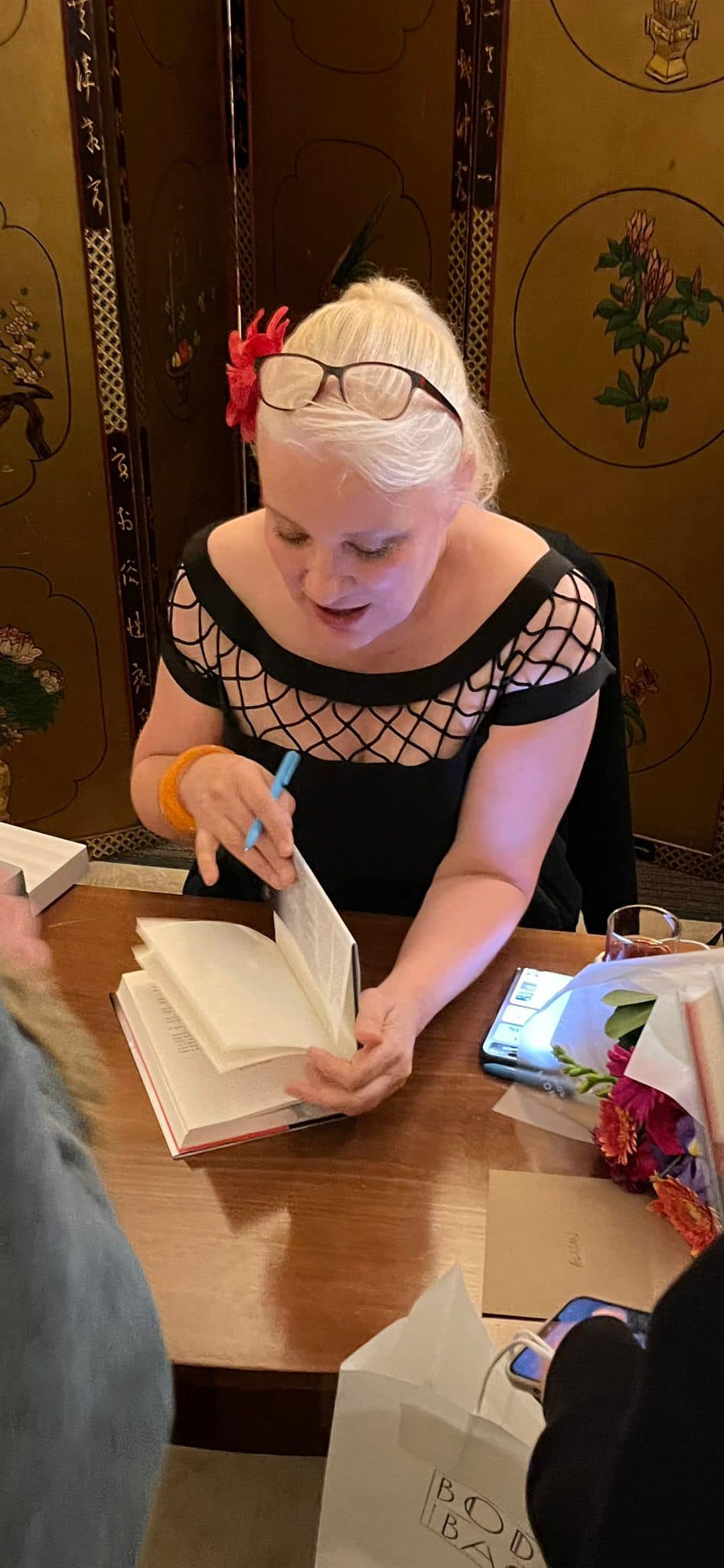
The all-important book signing (photo credit Alison Bruce}
I have enjoyed every book of Alison Bruce’s I have read, Because She Looked Away, is the best yet. I thought it was impossible for her writing to get any better, how do you improve on perfection? Somehow she has managed it. I’m looking forward to the next Ronnie Blake book in the series.
I have joined Cambridge University Library’s Really Popular Book Club, The Unlikely Pilgrimage of Harold Fry, was September’s chosen book. Unfortunately, I won’t be able to attend the Zoom meeting to discuss it. I have an unexpected journey to undertake at the same time the meeting is due to happen.
The story starts when Harold Fry receives a letter sent on behalf of a former work colleague, Queenie Hennessy. Harold hasn’t heard from Queenie in twenty years, the letter is from a hospice in Berwick on Tweed. The letter written on Queenie’s behalf, informs Harold that Queenie is suffering from terminal cancer and has very little time left. Harold writes a reply and sets out to post the letter he hesitates at the post box and then at the next one. He decides instead to walk to Berwick on Tweed to see Queenie in person.
Harold’s journey is a remarkable one, not only for the people he meets on the way some of whom and a dog walk with him but also as an examination of his past, his personality, relationships and regrets. The walk north from Kingsbridge in Devon, without preparation, proper hiking equipment a map or compass, is physically arduous, as Harold discovers. Yachting shoes are not ideally suited for a long hike, in all weathers. It was a companion walking with Harold that coined the title The Unlikely Pilgrimage of Harold Fry
As Harold walks, the back story of his life, his marriage to Maureen, his childhood and his relationship with his son David, is slowly revealed. We are drawn into an emotional journey as Harold reflects on these things. It is as much a journey of self discovery for Harold as a physical journey. For myself as the reader I found it incredibly moving and like all really good books The Unlikely Pilgrimage of Harold Fry, will inhabit my thinking for a long time.
Laurel’s first day in her new home, wasn’t exactly ideal. The sudden death of a yet to be acquainted with neighbour can be unsettling, even for someone with Laurel’s experience. Her career had been in end of life care. As the story moves on Laurel begins to question her choice of Elderwick for her new home. However, despite the machinations of a property developer and a pocketed councillor, intent on contentiously bringing new homes and a leisure facility to the village, there are the redeeming features of an excellent village bakery, The Plump Tart, The Pleasant Pheasant Cafe and the Snooty Fox, the village pub.
It isn’t long before murders blight the ideal appearance of the village, whose history has also been darkened by that of the area’s leading family, the Hartfields, owners of Elderwick Hall, the site of the new development. Marcus Hartfield the present occupant of Elderwick Hall is the development’s prime mover.
The story is inhabited by a variety of interesting, colourful, characters both human and animal. A Little Bird Told Me, realistically details the conflicts and friendships within a small village community. However, at its core this is a crime story albeit a cosy one. The revelation at the book’s end is surprising which is as it should be.
For me it was a quick but absorbing read, well done, Ms Gray.
I am interested in Crime fiction as both a reader and writer. When I saw the exhibition, Murder by the Book at Cambridge University Library advertised, I decided to visit. The guided bus from St Ives seemed the best option for travelling to Cambridge, it was just a question of timing my journey to be late enough to use my bus pass but early enough to arrive in time for the 11 am pre-booked slot.
My route on foot, from the Round Church bus stop, planned mainly courtesy of Google maps started in St, John’s Street, which led into Trinity street followed by a left turn into Trinity Lane. A little way along Trinity Lane a right turn took me into Garret Hostel Lane the lane narrowed as it approached the Garret Hostel Bridge over the river Cam, Trinity Hall’s Jerwick Library sits more or less on the bridge on the left. Punts were moving along the river tour guides working the poles as they pointed out places of interest on the banks, to their passengers.
Guided punt tours.
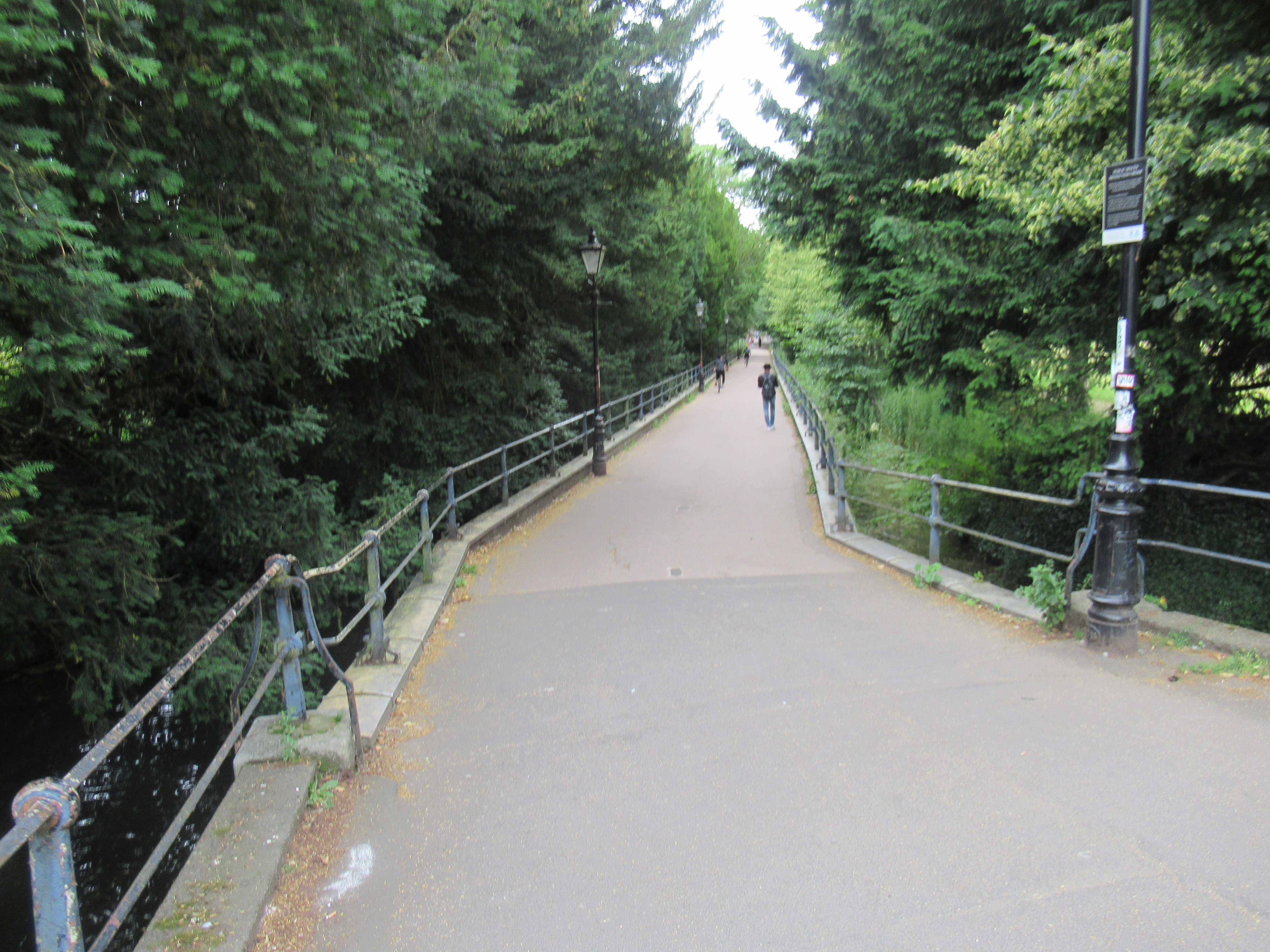
The bridge heralded a change the walk was no longer flanked by buildings but after the bridge the lane was tree lined.
Garret Hostel Lane after the bridge
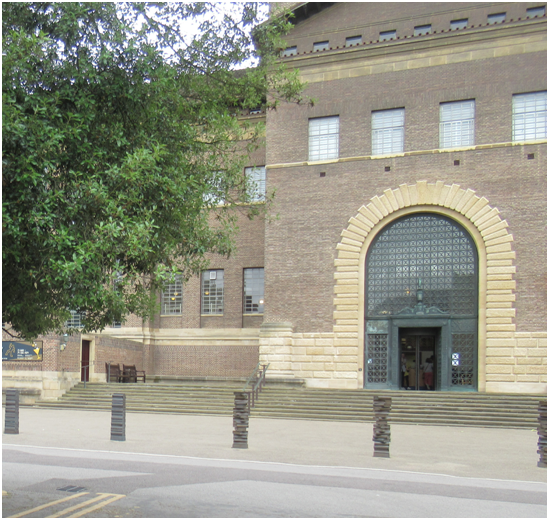
At the end of Garret Hostel Lane, the route took me across Queen’s Road into Burrell’s Walk. Before long I was at the gateway gazing at the imposing University Library Building and facing it to my left was Clare College.
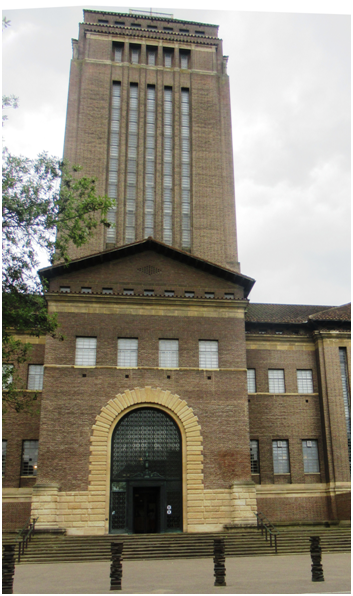
It is difficult to show the size of the library building, if I remember correctly this tower houses the crime fiction collection. If that is the case, somewhere within lurks Arnold Lane, Marvin and of course Sylvia.
The entrance to the library
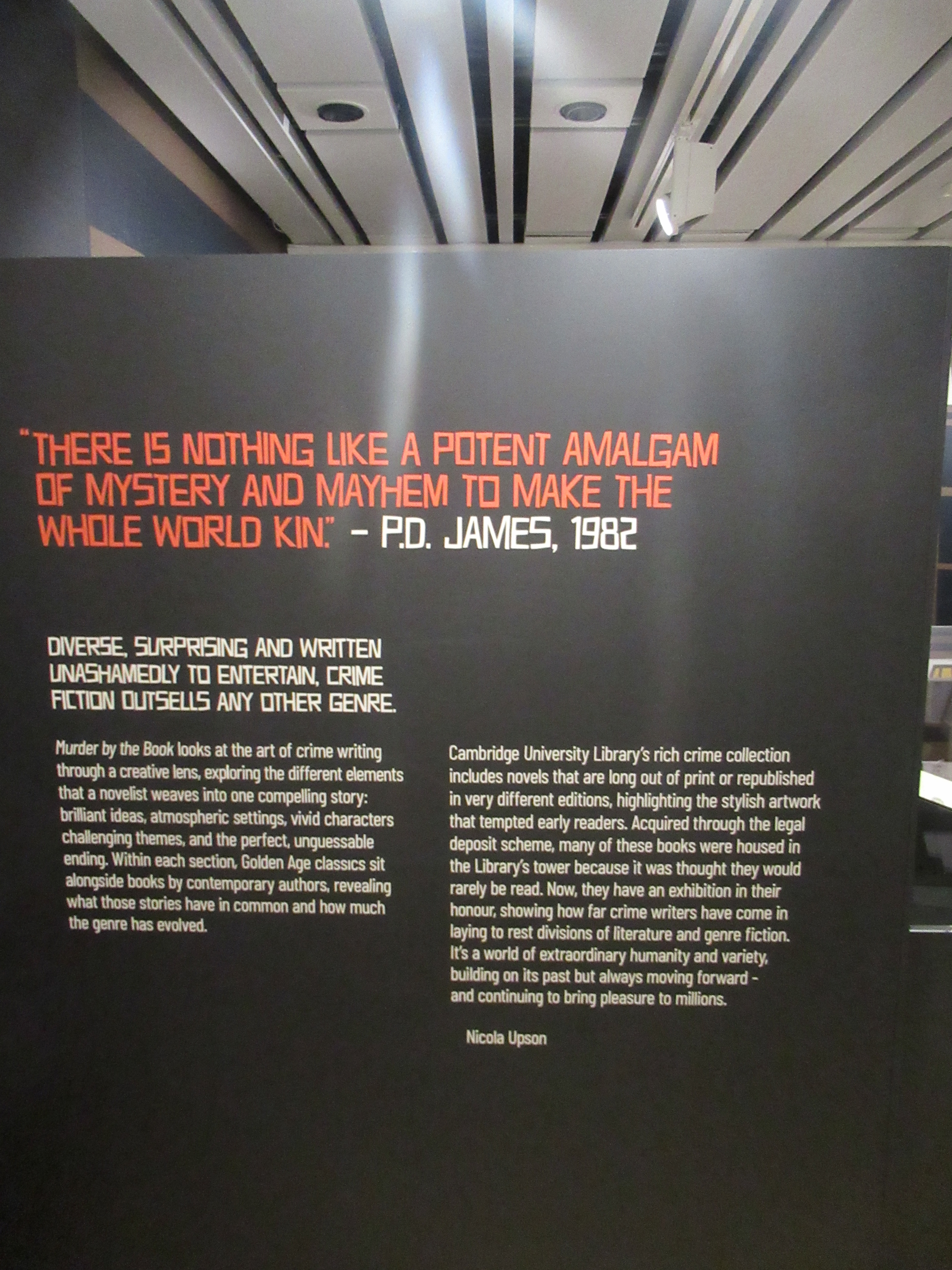
Once I was through the imposing entrance I made my way to the exhibition. The first thing I noted was a quote by PD James, one of many of hers within the collection.
P.D. James telling it like it is
The exhibition started with a chronological history of crime fiction with copies of some of the very earliest works Wilkie Collins The Lady in White and an even earlier work whose title I didn’t note.
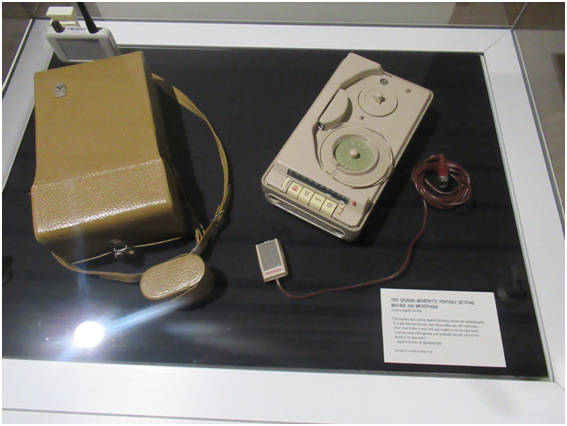
Unsurprisingly Conan Doyle’s Sherlock Holmes books featured prominently in early British crime writing. Slightly later came Dorothy L Sayers and of course Agatha Christie. On display were several exhibits relating to Agatha Christie, her Dictaphone which came into use when she broke her arm and her portable typewriter. However, the items relating to Agatha Christie which held most interest for me were her notebooks, a separate one for each book it seemed. That is one idea I might borrow.
Agatha Christie’s dictaphone.
I took a leisurely stroll around part 1 of the exhibition, many of the authors were familiar to me PD James, Dorothy L Sayers, Sir Athur Conan Doyle and of course, Agatha Christie but there were others unknown to me including, Martin Blake, Ellen Wilkinson, Cyril Hare, Nicholas Blake and Celia Fremlin.
Another P.D. James quote and totally accurate.
Further along were some more contemporary authors H R Keating, Ian Rankin, Ruth Rendell, Lynda La Plante and Marjory Allingham. I looked for books by Raymond Chandler but didn’t see any of his displayed, although he was based, as was his writing in America, he was an Englishman.
More contemporary crime fiction.
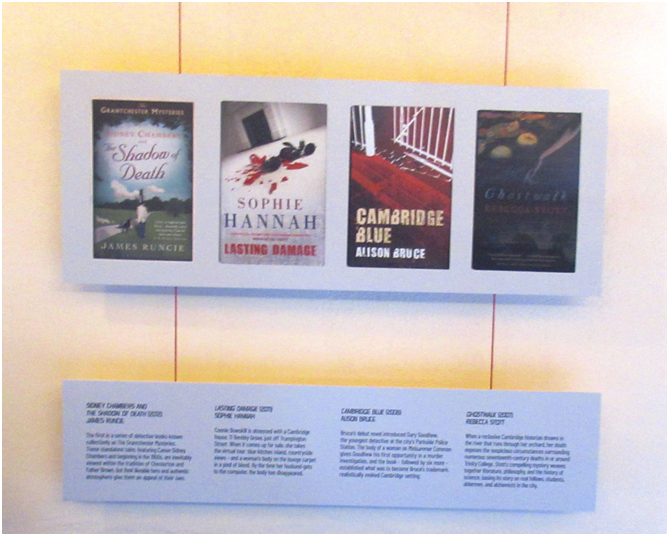
Having completed the circuit of part 1, I stowed my bag in the locker room and made my way upstairs to the gallery and the other parts of the exhibition to find books by authors I had met. For me, Alison Bruce’s D C Gary Goodhew, could well fit the bill as Cambridge’s iconic detective, a possible answer to Oxford’s Morse but he wasn’t elevated to this position by the powers that be. However Cambridge Blue had a well deserved prominent position as did books by Sophie Hannah and Ellie Griffiths two other authors I have had the pleasure of meeting.
On the first floor part 2 of the exhibition.
When I had seen all the exhibits I sought refreshment in the café situated on the first floor at the end of the gallery. The mistake I made was not bringing my tablet computer in with me in a clear bag I like the quiet of libraries to write in and with generous-sized desks or even in the café, this quiet place would have been ideal. However, on this occasion as I hadn’t used the clear bag for my laptop it would have to be the Central Library.
An ideal place to write.
This picture of just one of many corridors leading off in different directions and on several floors gives a glimpse of the size of the building.
I retraced my steps to Trinity Street and then made my way through the city to the Central Library, on my way along Kings Parade I came across students, well graduates now, in white trimmed black gowns together with their families emerging from a graduation ceremony. It was I am sure a proud moment for all those concerned.
A graduation, one of many in Cambridge during the summer a moment of pride for all concerned.
All in all, after a short stint of writing at the Central Library and the return trip on the guided bus, it was a great day out.
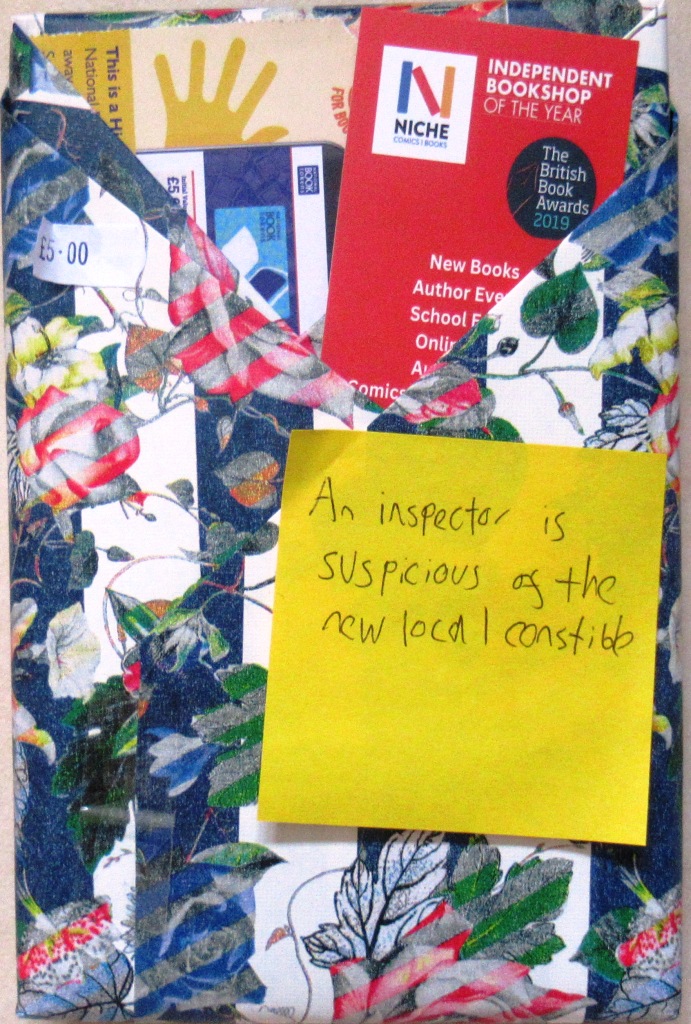
A little while back I attended an event at Niche Comics Bookshop in Huntingdon, (yes I do visit it often, they are nice people and as I lived in Huntingdon until I got married I know the area). At the event in question, a book launch, Rosie Andrews’s, Puzzle Wood, I bought The Twyford Code by Janice Hallett, however, a mystery shelf with books gift wrapped and a brief description attached attracted my attention, (Blind Date with a Book.)
What was inside.
Tenpted I parted with my five pounds, it was an absolute bargain, because there was a five pound book token wrapped in the packaging, in effect, to celebrate Independent Book Shop Week, it was a book for free.
I waited until the next morning before unwrapping my purchase. The book inside was A Shot in the Dark by Lynne Truss. I have now finished reading the book and loved it.
A Shot in the Dark by Lynne Truss
The book is written about and set in 1950s Brighton, at around and following the time of Graham Green’s Brighton Rock, of which it alludes. Newly graduated, Constable Twitten finds himself at Brighton Police Station. Twitten has been moved from police force to police force on an almost daily basis since qualifying. It soon becomes apparent that Twitten’s keen, insightful approach to policing and crime solving is an irritant to his superior officers which has seen him quickly moved on elsewhere.
Having arrived at Brighton police station then left unsupervised, Twitten leafs through recent crime reports and quickly discovers a pattern in a spate of local burglaries. When he is imprudent enough to share his thoughts with his boss, Inspector Steine, it upsets the inspector creating the possibility that Twitten will be moved on yet again. Since Steine’s famous triumph in the case of the Middle Street Massacre, he holds the opinion that there is no crime in Brighton and isn’t keen to have this view challenged, particularly by Twitten.
A Shot in the Dark, although violent, set as it is in the era of Teddy Boys and serious criminality; its approach is completely off the wall. The activities of a criminal mastermind are well hidden as is the mastermind’s identity. However, when Twitten thinks he has put all the pieces of the jigsaw together his problems are not over. Lynne Truss has assembled a colourful cast of characters including a clever charwoman, a bricklaying strong woman, a Phrenologist and other interesting characters; the story is entertaining and engaging. I’m glad I tried this blind date..
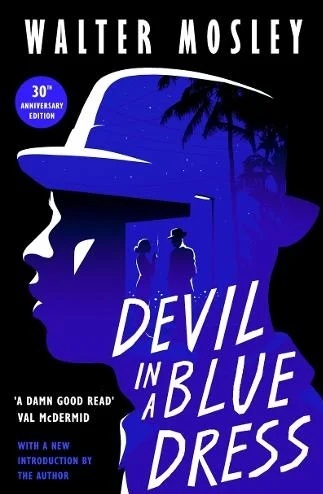
I had read only one other crime novel featuring a black hero, Reginald Hill’s, Blood Sympathy. As far as I can tell Reginald Hill was white. Blood Sympathy is set in Hill’s version of Luton England and was first published in 1985, Devil in a Blue Dress, 1990. Blood Sympathy’s, Joe Six Smith and Devil in a Blue Dress’s, Easy Rawlins have both lost their jobs forcing career changes onto them. Similarities end there.
Walter Mosley is a year younger than me, neither of us, at 72 and 73 years old respectively, were alive in 1948. Mr Mosley no doubt had family to tell him how things were then. From what I am told by friends who have visited the States more recently, the attitudes and prejudices mentioned within Devil in a Blue Dress haven’t changed much and certainly haven’t gone away.
The author has no doubt had his thinking about Los Angeles, at the time of the book coloured by contemporary literature and films made in that period. In terms of American detective crime fiction Raymond Chandler is probably a go-to point of reference, both in time and location. That most of Chandler’s novels have been made into films, with Playback the only exception, reinforces this view.
Devil in a Blue Dress, is written in the first person, that of Ezekiel Rawlins, “Easy” Rawlins, the hero. Recently unemployed, war veteran, Easy is engaged to search for a white woman Daphne Monet, who is known to frequent the coloured jazz clubs and bars of Los Angeles. Easy’s, employer, Dewitt Albright, a white man is introduced to Easy by his bar owner friend and ex boxer, Joppy.
In 1948 as many places were segregated and Albright feels he can’t search for Daphne himself, because of this colour bar existing at the time. Easy knows the places where Daphne might be found, is familiar with the people who frequent them and is of course the right skin colour to visit these places without a problem. Devil in a Blue Dress shares characteristics of US detective fiction of the period but the perspective from someone of black ethnicity is different. The body count is high, the plot is interesting the ending, unpredictable.
I thought Devil in a Blue Dress was an excellent read and I really enjoyed it.
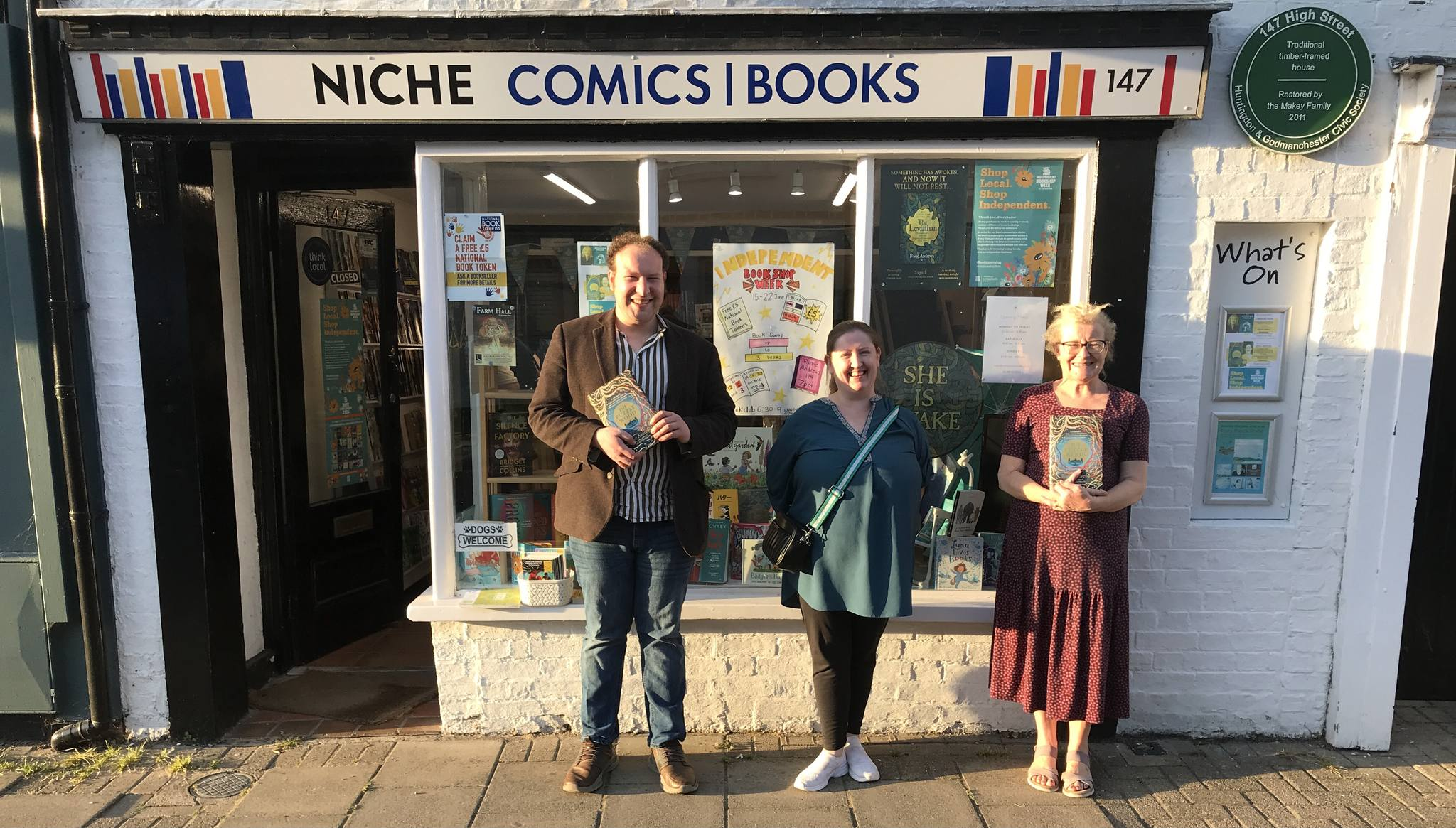
From left to right Guy Makey, Rosie Andrews and Angela Makey (photo credit Niche Comics)
Cathy Cade and I recently attended an event at Huntingdon’s, Niche Comics Bookshop as part of the celebrations for Independent Bookshop week. I wasn’t intending to buy any books so of course I came away with two.
The Bookshop is a seventeenth building with all the quirkiness and eccentricities of something that old, the low height of the doorway into the garden is a particular problem for unwary people taller than about four foot eight.
It was in the garden that we were introduced to Rosie Andrews launching her new book The Puzzle Wood. Rosie had started life in Liverpool a child in a very large family, the third of twelve children. After she graduated from Cambridge University with a history degree, Rosie became an English teacher. Her first book The Leviathan was a best seller.
Rosie Andrews signing books in the garden.(photo credit Niche Comics)
During the question and answer session Rosie mentioned that she had been a member of a writing group near St Ives, it was there she met local author Alison Bruce, a smashing lady not only connected to Niche Comics but also someone I have met on several occasions.
My first purchase of the evening
The mystery £5 package
And this is what was inside
With wine, tea and homemade cakes on offer, not to mention cracking deals on books it was a really wonderful evening. Thank you Angela, Adam and Guy.
The Janus Stone was the purchase I made at Elly Griffiths book launch at Manea Village Hall, hosted by Niche Comics Bookshop.
Ruth Galloway’s second outing sees her conducting an archaeological survey before new flats are built on the site of a soon to be demolished Victorian house in Norwich. The house had been at one time a family home and during the 1950s a Catholic children’s home. Two children went missing from the children’s home and were never found. However, it is when a headless child’s skeleton is discovered that a murder investigation ensues; DCI Harry Nelson leads the enquiry. Ruth works with Harry to uncover the history of the skeleton and solve the events leading to the death of the child. The enquiry delves into the mystery of the missing children and the history of the soon to be demolished house.
However Ruth has problems of her own these problems complicate her relationship with Harry and exposes her to feelings about herself she hadn’t previously known. The complicated relationship between Ruth, Harry, Ruth’s colleagues and friends provides an interesting twisty plot. The story is set in Norwich and in the North Norfolk coastal salt marshes. I was engaged from start to finish, I really enjoyed this book.
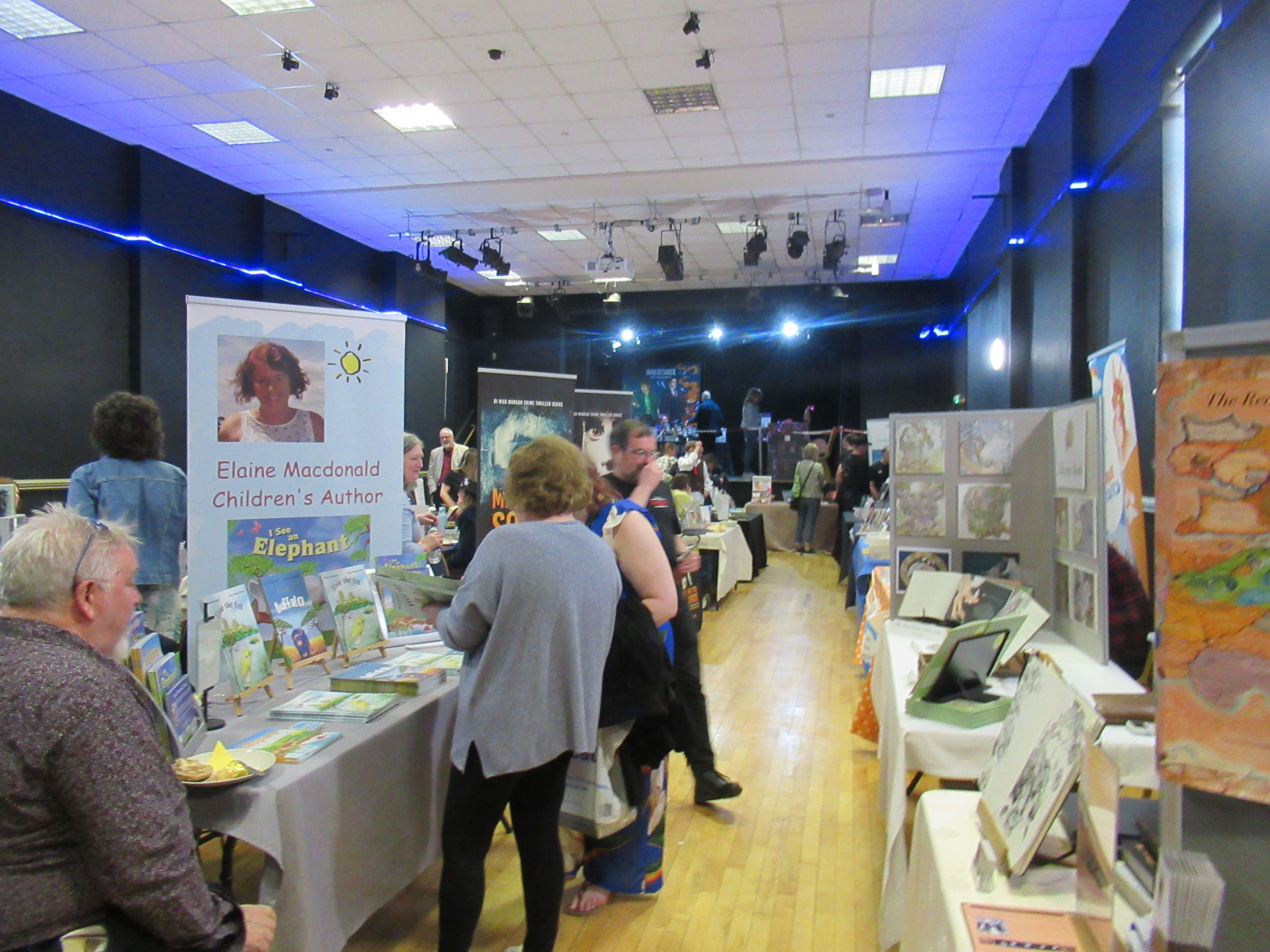
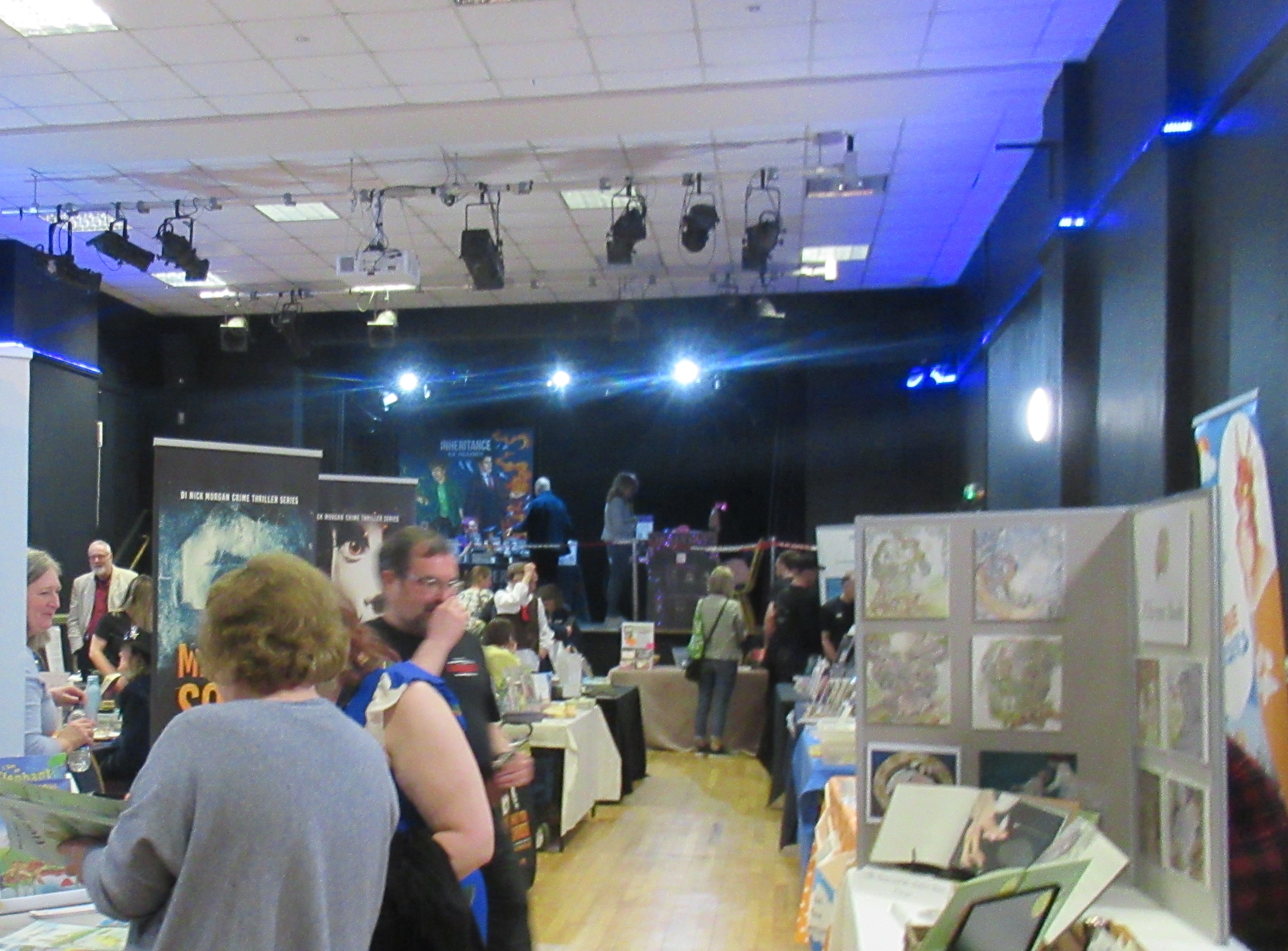
I didn’t find out about this event organised by indiebookfair.com until it was too late to hire a stand for our Whittlesey Wordsmith’s writing group. However I thought it would be a good plan to visit and see what the event had to offer. I had no intention at all to buy books, I have according to my lovely wife, more than enough as it is.
Indie authors are those that often self publish their own books either individually or cooperatively with other authors. It is a great community and they, like all the authors I have met are encouraging and supportive.
A bit of a lull so I could get a photo
The hall was nicely laid out and there certainly wasn’t any space for more stalls, it was fully booked. The public seemed to like it too it was getting quite crowded as I walked around. It was a really interesting event and a chance to amble round and meet other local authors. The exhibitors catered for just about every genre, from children’s stories, to puzzle books for elderly dementia sufferers and just about any subject in between.
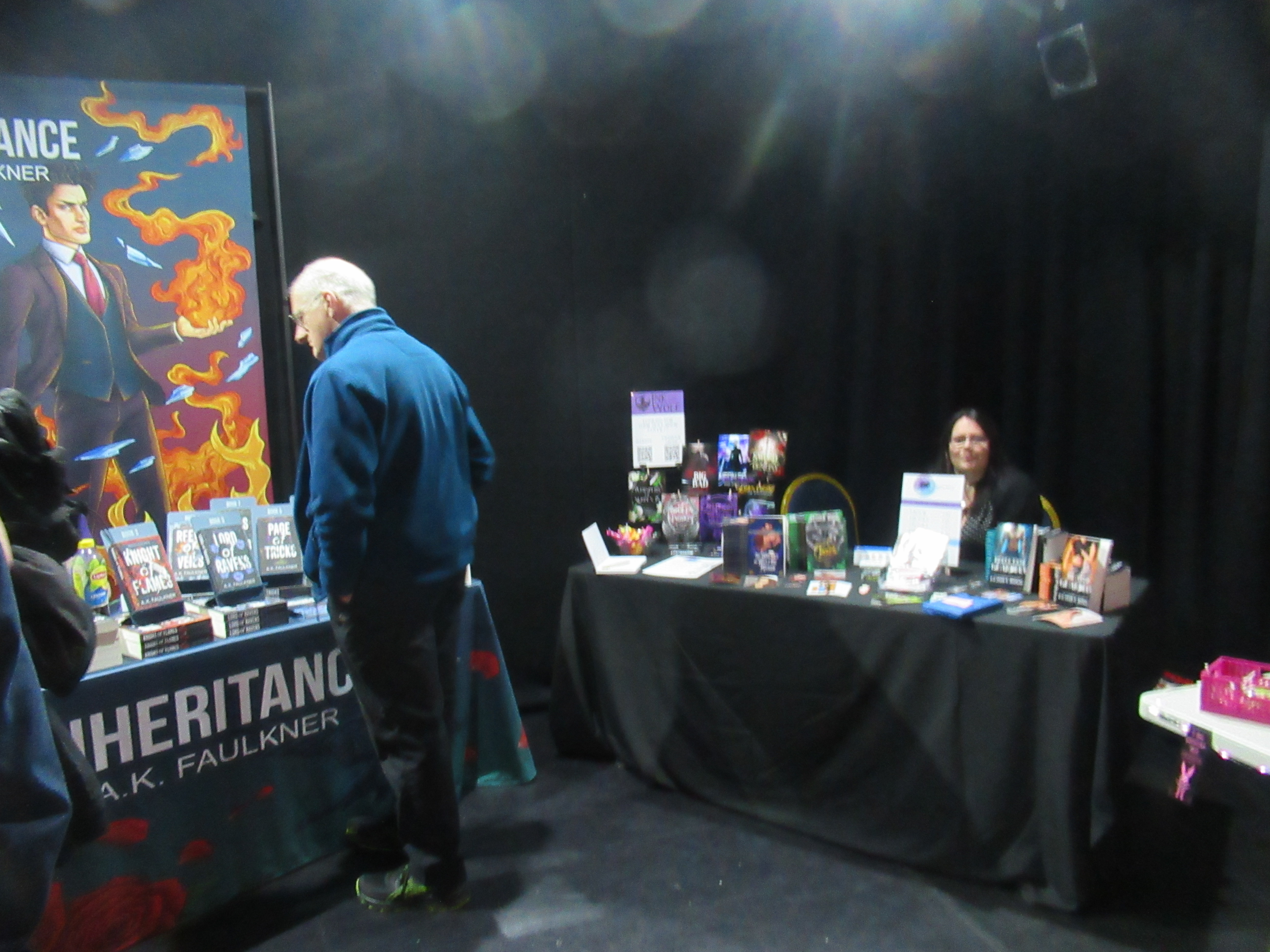
Even the stage was used
Browsing
A particular highlight for me was meeting Carol Carman; Carol had been the sound engineer for Dennis of Grunty Fen’s, broadcast on Radio Cambridgeshire, working with the late Pete Sayers, (Dennis) and Christopher South. The programmes, were broadcast on Radio Cambridgeshire every Sunday morning, they were what the wireless was made for. Christopher South would interview Dennis learning more about the wild world and community that is Grunty Fen. Christopher South has written four books about this intriguing community. I bought number 3 in the series from Carol.
Carol Carman with her books and those from Grunty Fen.
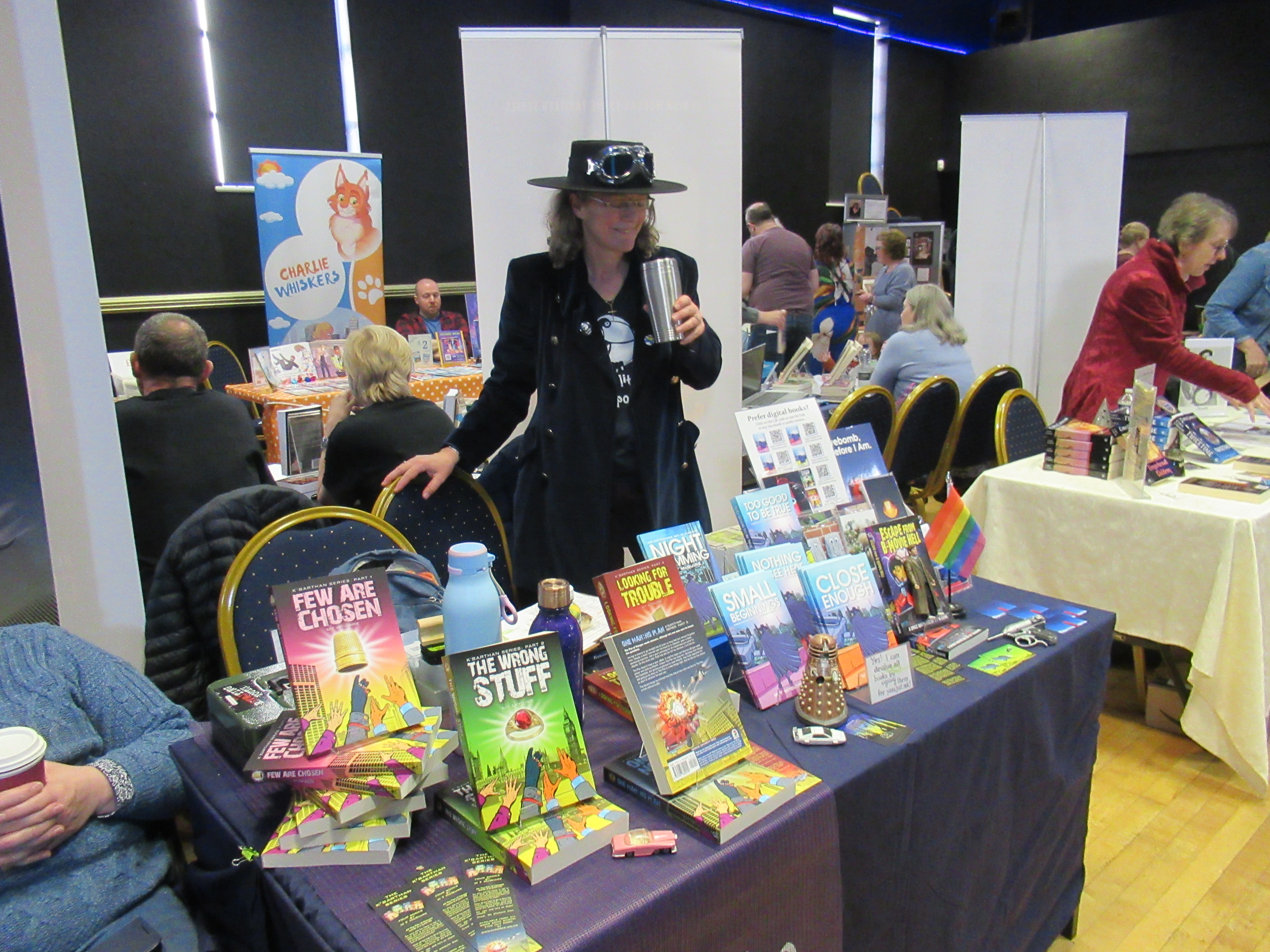
Close to Carol’s stall was a remarkably dressed lady M T McGuire a science fiction author, one of the panellists on the author panels I attended later in the day I didn’t catch her forename, which I know isn’t M..
M T McGuire
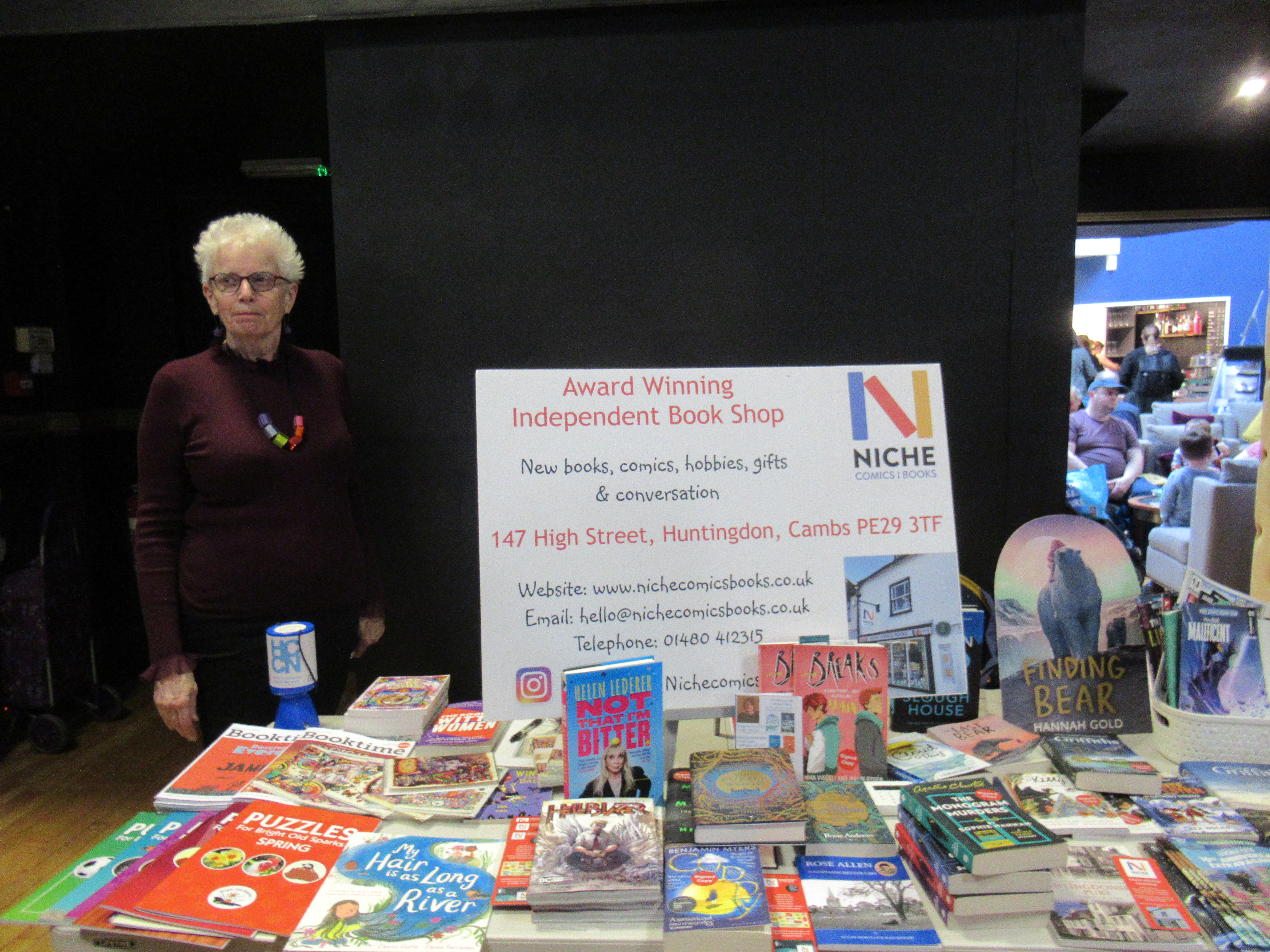
Niche Comics Bookshop had a stall in one corner with Angela presiding and Gill Ashby, author of the Bright Old Sparks Books in attendance.
Gill Ashby, author of Bright Old Sparks on the Niche Comics Book Shop stand.
It was great wandering around chatting to the authors and despite my resolve not to buy any books I came away with 3 in total.














 Fenlandphil's Blog