
Photo credit Hinchingbrooke Hospital by Andy Parrett, CC BY-SA 2.0 https://creativecommons.org/licenses/by-sa/2.0, via Wikimedia Commons
I’ve had an interesting week and a half. On the 27th of August, a Wednesday, I was admitted to Hinchingbrooke Hospital for a scheduled hernia repair. It was keyhole surgery, and I was discharged the same day. I spent a reasonable night at home, a little uncomfortable but nothing too worrying. The next morning, I was up early and getting one or two administrative chores out of the way and feeling quite good. However, by the evening, I wasn’t too well and brought up what appeared to be dark blood. My wife and I concluded that, as a tube had been put down my throat to help with breathing during the operation, perhaps it had caused some bleeding.
By Saturday evening, things had become worse, so I contacted the hospital, “No, it isn’t normal, dial 999.” The ambulance could only deliver me to Peterborough. Aware of the possibility of miscommunication between the two hospitals, my brother took me to Hinchingbrooke and delivered me into the welcoming arms of A&E during the early hours of Sunday morning; they were expecting me.
After a while I was wheeled into the same ward I had been admitted to the previous Wednesday. It is always difficult to get answers it seems, I was connected up to drips and given blood transfusions but apart from a doctor telling me it wasn’t a surgical problem and that I would be moved to a medical ward that was about it. The hernia repair gave me no trouble and seems to be a well executed piece of surgery. Eventually I was given an endoscopy and a diagnosis of a Hiatus Hernia. When I was able to talk to a consultant I asked him if what they had found could have accounted for such a large loss of blood, (about one and a half pints or to use the Tony Hancock scale one and a half armfuls). He assured me this was the likely cause.
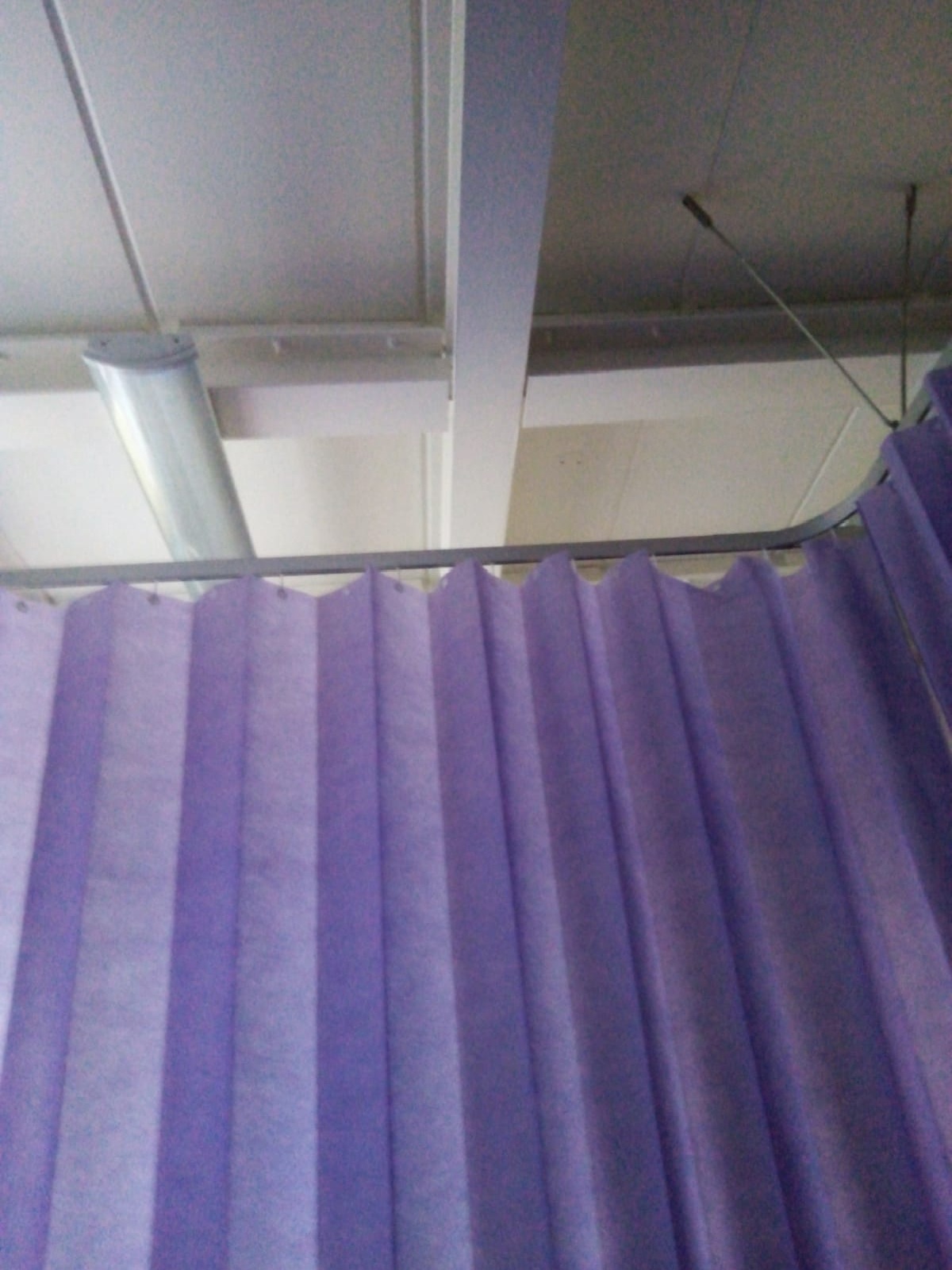
While lying in bed on my back, I started to examine the ceiling of the ward I was in. Hinchingbrooke Hospital is suffering from the problems of RAAC (dodgy concrete), and they are desperately trying to rebuild it while keeping it open. The ward’s ceiling and presumably the roof above it are now supported by a grid of 203 x 203mm Universal Columns; the minimum weight of this size of column is 47kg per metre (close to a hundred weight per yard). Nearly forty years ago, when I started my metalworking business, the supply price of manufactured structural steelwork was £1000 a tonne; prices haven’t gone down in that time. It wouldn’t surprise me if the cost of the steelwork alone, supporting the roof in that ward, exceeded £20,000, not including all the installation costs. Meanwhile, within half a mile as the crow flies is the original Huntingdon County Hospital building is still there intact and over one hundred years old.
The ward staff were brilliant, compassionate, patient and caring. When I was asked if I would mind vacating my bed early while waiting to be collected I had no hesitation in agreeing. The chap they wheeled in looked very poorly. It was heartening to see the love of mainly, wives, daughters and granddaughters for their, husbands, dads and granddads.
Above all else the experience has given me a renewed hope for us all.

 Fenlandphil's Blog